Alternatives to cosmetic dentistry include teeth whitening, dental bonding, clear aligners, enamel reshaping, and crowns. These treatments improve your smile without permanent enamel removal or the cost of traditional veneers.
About 74% of American adults believe an unattractive smile hurts career success, according to the American Academy of Cosmetic Dentistry. Yet veneers aren’t the only path to a stunning smile. Modern dentistry offers multiple effective alternatives that preserve tooth structure, fit different budgets, and deliver natural-looking results. This guide walks you through each option, what they fix, and how to choose the right treatment for your situation.
Why Do People Look for Alternatives to Veneers?
People seek veneer alternatives because they want less invasive treatments, lower costs, reversible options, or solutions that preserve natural tooth structure.
Veneers require shaving down healthy enamel, which is permanent. The process can’t be undone. Traditional porcelain veneers also cost between $925 and $2,500 per tooth. That price excludes most insurance coverage.
Many patients prefer treatments that don’t alter their natural teeth forever. Others need quick fixes for minor issues. Some simply want budget-friendly options that still deliver visible improvements.
If you’re exploring cosmetic options with a trusted provider, check out this cosmetic dentist newcastle practice that offers multiple smile enhancement solutions.
What Cosmetic Issues Can Alternative Treatments Fix?
Alternative treatments address discoloration, chips, gaps, misalignment, uneven teeth, and minor shape irregularities without veneers.
Each alternative targets specific problems. Professional whitening removes stains and yellowing. Bonding repairs chips and closes small gaps. Clear aligners straighten crooked teeth. Enamel reshaping smooths uneven edges.
Dental crowns restore severely damaged teeth while improving appearance. Composite fillings replace old metal fillings with tooth-colored material. These options work alone or combined for comprehensive smile makeovers.
Not every treatment fixes every issue. Your dentist evaluates your teeth and recommends the best combination. Some cases still need veneers, but many achieve excellent results through alternatives.
How Does Professional Teeth Whitening Work?
Professional whitening uses concentrated bleaching agents applied in-office or through custom trays at home, lightening teeth 3-8 shades in one to two weeks.
In-office treatments take about 60 minutes. Your dentist protects your gums, then applies hydrogen peroxide gel to your teeth. A special light activates the gel. You see results immediately.
At-home systems use custom-fitted trays. You fill them with bleaching gel and wear them 30 minutes daily for two weeks. Results appear gradually but last longer with proper maintenance.
Whitening works best on natural teeth. It won’t lighten crowns, bonding, or fillings. Those may need replacement to match your new shade. The treatment costs $300-$1,000 depending on the method.
For ongoing oral health that supports cosmetic results, regular dental cleaning services remove surface stains and prevent new discoloration.
What Is Dental Bonding and When Is It Used?
Dental bonding applies tooth-colored composite resin to repair chips, close gaps, reshape teeth, and cover stains in a single visit costing $300-$600 per tooth.
The dentist roughens your tooth surface and applies conditioning liquid. This helps the resin stick. They mold the putty-like resin directly onto your tooth, shape it, then harden it with ultraviolet light.
The entire process takes 30-60 minutes per tooth. No anesthesia is needed unless treating decay. Bonding fixes minor cosmetic flaws instantly without removing enamel.
Bonded teeth look natural but stain easier than porcelain. The material lasts 3-10 years depending on location and care. Front teeth bonding typically needs replacement sooner because of biting pressure.
Bonding vs Veneers: Quick Comparison
| Factor | Bonding | Veneers |
| Cost per tooth | $300-$600 | $925-$2,500 |
| Treatment time | 1 visit (30-60 min) | 2-3 visits over 3 weeks |
| Enamel removal | Minimal to none | 0.5-1mm removed |
| Lifespan | 3-10 years | 10-20 years |
| Reversibility | Yes | No |
Can Clear Aligners Replace Cosmetic Dentistry?
Clear aligners straighten teeth, close gaps, and fix bite issues without braces, serving as both orthodontic treatment and cosmetic improvement over 6-18 months.
Aligners use clear plastic trays that gradually shift teeth into position. You wear each set 20-22 hours daily for two weeks, then switch to the next set. Treatment length depends on severity.
Popular brands include Invisalign, ClearCorrect, and Spark. Costs range from $3,000 to $8,000. Many cases qualify for insurance coverage since aligners correct functional issues alongside cosmetic ones.
Aligners work for crowding, spacing, overbites, underbites, and crossbites. They won’t change tooth color or repair damage. You might combine aligners with whitening or bonding for complete transformation.
What Does Enamel Reshaping Involve?
Enamel reshaping removes small amounts of tooth enamel to smooth rough edges, level uneven lengths, or reduce minor overlaps in one painless visit.
Also called enameloplasty or tooth contouring, this procedure uses fine dental instruments to shave off tiny enamel portions. The dentist polishes your teeth afterward. No anesthesia is required.
Reshaping costs $50-$300 per tooth. Results are immediate and permanent. The treatment works best for subtle adjustments like smoothing pointed canines or fixing small chips.
There are limits. Dentists only remove minimal enamel to avoid exposing dentin or weakening teeth. Severe misalignment or large gaps need different treatments. Many patients combine reshaping with bonding or whitening.
When Are Dental Crowns the Better Alternative?
Dental crowns cover severely damaged, cracked, or heavily filled teeth while restoring shape, strength, and appearance when veneers can’t provide enough support.
Crowns cap the entire visible portion of your tooth above the gum line. They’re made from porcelain, ceramic, metal, or combinations. Porcelain crowns look most natural for front teeth.
The dentist removes decay, shapes the tooth, takes impressions, and places a temporary crown. Your permanent crown is created in a lab and cemented during a second visit. The process takes two to three weeks.
Crowns cost $800-$3,000 per tooth depending on material. They last 10-15 years with proper care. Unlike veneers that only cover the front surface, crowns protect and strengthen compromised teeth.
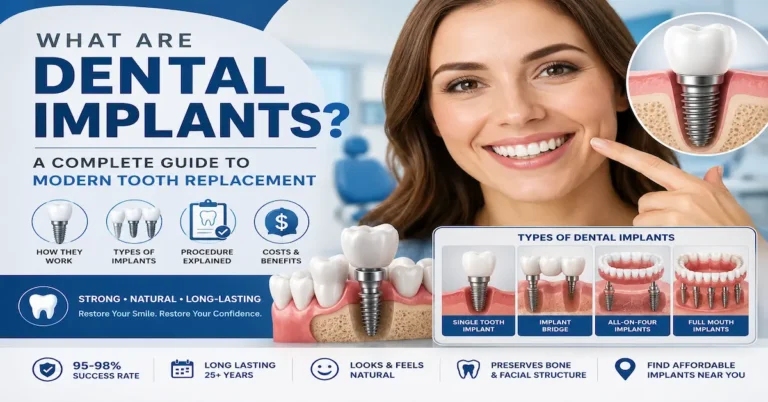
If you’re considering implants for missing teeth, explore options at dental implants new castle where crowns often complete the restoration.
How Do These Alternatives Compare in Cost and Duration?
Alternative treatments range from $50 for minor reshaping to $8,000 for full aligner treatment, with most procedures completed in one to three visits versus veneers’ higher cost and longer timeline.
| Treatment | Cost Range | Time to Complete | Results Last |
| Professional Whitening | $300-$1,000 | 1-2 weeks | 1-3 years |
| Dental Bonding | $300-$600/tooth | 1 visit | 3-10 years |
| Clear Aligners | $3,000-$8,000 | 6-18 months | Permanent with retainer |
| Enamel Reshaping | $50-$300/tooth | 1 visit | Permanent |
| Dental Crowns | $800-$3,000/tooth | 2-3 weeks | 10-15 years |
Budget-conscious patients often start with whitening and bonding. Those needing structural correction invest in aligners or crowns. Many combine treatments for comprehensive results at lower total cost than full veneers.
What Should You Consider When Choosing an Alternative?
Consider your specific cosmetic concerns, budget, time availability, desired permanence, and willingness to commit to maintenance when selecting veneer alternatives.
Start by identifying what bothers you most. Stains need whitening. Chips need bonding. Crooked teeth need aligners. Severe damage needs crowns. Your dentist examines your teeth and discusses realistic outcomes.
Budget matters. Whitening and reshaping cost less but address limited issues. Aligners and crowns cost more but fix complex problems. Many practices offer payment plans.
Time commitment varies. Bonding takes one hour. Aligners require months of daily wear. Consider your lifestyle and patience level. Some people prefer immediate results while others don’t mind gradual improvement.
Think about maintenance. Whitened teeth need touch-ups. Bonding stains is easier. Aligners demand discipline. Crowns need normal dental care. Choose treatments that match your habits.
Frequently Asked Questions
Are these alternatives as effective as veneers for smile transformation?
Yes, for many cosmetic concerns. Whitening removes discoloration veneers. Bonding fixes chips and gaps veneers would cover. Aligners straighten teeth veneers would just mask. Effectiveness depends on your specific issues, not the treatment’s inferiority to veneers.
Does insurance cover any veneer alternatives?
Sometimes. Insurance rarely covers purely cosmetic procedures like whitening or bonding for aesthetics. But it may cover crowns for damaged teeth, aligners for bite correction, or bonding to repair injury. Check your specific plan’s cosmetic dentistry clause.
Can I combine multiple alternatives for better results?
Absolutely. Many patients whiten teeth first, then add bonding to fix chips or reshape teeth. Others straighten with aligners, then whiten. Your dentist creates a treatment plan combining procedures for comprehensive smile makeovers.
How long do results from these alternatives typically last?
It varies. Whitening lasts 1-3 years with touch-ups. Bonding lasts 3-10 years. Aligners create permanent changes with retainer use. Reshaping is permanent. Crowns last 10-15 years. Proper oral hygiene extends all results.
What happens if I’m not satisfied with alternative treatments?
Most alternatives are reversible or adjustable. Bonding can be removed and redone. Whitening fades naturally. You can still get veneers later if alternatives don’t meet expectations. Permanent options like reshaping or crowns need careful consideration beforehand.
Ready to explore which alternative fits your smile goals? The experienced team at this dentist new castle pa location offers comprehensive consultations to discuss all your options and create a personalized treatment plan that matches your vision and budget.