Medicaid is a government health insurance program that helps low-income individuals and families access medical care. But when it comes to dental work, coverage can be confusing. Many people ask: does Medicaid cover dental implants?
According to the Centers for Medicare & Medicaid Services, fewer than half of all states provide comprehensive dental care for adults under Medicaid. This leaves millions of Americans uncertain about what treatments they can afford. Understanding your dental coverage options under Medicaid can help you make informed decisions about your oral health and explore alternatives when needed.
This guide explains what dental services Medicaid covers, whether implants are included, and how you can access affordable dental care in your area.
Does Medicaid Cover Dental Implants for Adults?
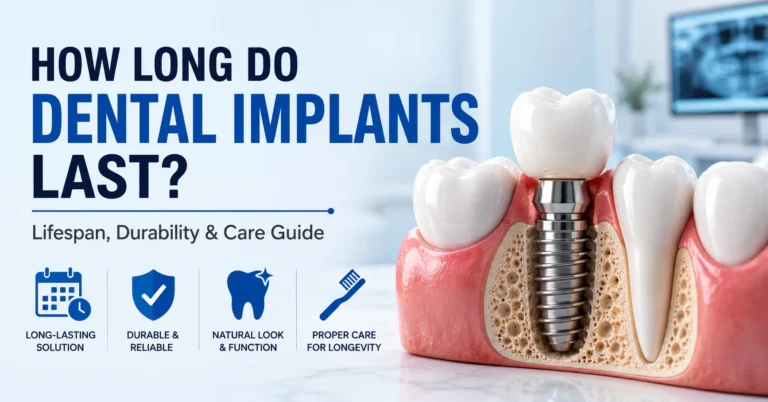
Most state Medicaid programs do not cover dental implants for adults. Medicaid typically covers only medically necessary dental services like exams, cleanings, fillings, and extractions. Dental implants are usually classified as elective or cosmetic procedures, which means they fall outside standard coverage guidelines.
Each state runs its own Medicaid program. This means coverage varies depending on where you live. Some states offer more comprehensive dental benefits than others. But in general, adult Medicaid recipients should not expect implant coverage.
Pennsylvania Medicaid, for example, covers one set of dentures per lifetime for adults but does not include dental implants. The program focuses on preventive and emergency care rather than restorative procedures like implants.
What Dental Services Does Medicaid Cover?
Medicaid covers basic preventive and emergency dental services for eligible adults and comprehensive care for children. Coverage includes routine exams, X-rays, cleanings, cavity fillings, and extractions. Some states also cover root canals, crowns, and dentures under specific conditions.
Dental Coverage for Children
All states must provide dental benefits to children enrolled in Medicaid or the Children’s Health Insurance Program (CHIP). These benefits are extensive and include:
- Routine dental exams and cleanings
- Fluoride treatments and sealants
- X-rays and diagnostic services
- Cavity fillings and restorations
- Root canals and extractions
- Crowns and space maintainers
- Orthodontic treatment when medically necessary
Children receive comprehensive dental care because oral health is critical to overall development. Early intervention prevents costly problems later in life.
Dental Coverage for Adults
Adult dental coverage under Medicaid is more limited. Most states cover emergency services and basic preventive care. In Pennsylvania, covered services include:
- Diagnostic exams and X-rays (once every 180 days)
- Preventive cleanings (once every 180 days)
- Amalgam and composite fillings
- Extractions and oral surgery
- One set of dentures per lifetime
- Palliative treatment for pain and symptoms
Additional procedures like root canals and crowns and bridges for teeth require prior approval. Coverage exceptions are granted only when medically necessary.
Why Doesn’t Medicaid Cover Dental Implants?
Medicaid does not cover dental implants because they are considered elective rather than medically necessary. The program prioritizes treatments that address urgent health needs. Implants, while beneficial for long-term oral health, are seen as optional compared to emergency extractions or pain relief.
Budget constraints also play a role. Dental implants are expensive. A single implant can cost between $3,000 and $6,000. Covering implants for all eligible adults would strain state Medicaid budgets significantly.
Instead, Medicaid offers dentures as a more affordable replacement option. While dentures don’t provide the same stability or longevity as implants, they restore basic chewing function and appearance.
Are There Exceptions for Dental Implant Coverage?
In rare cases, Medicaid may cover dental implants if they are deemed medically necessary due to accident, injury, or disease. For example, if you lose teeth in a car accident or due to oral cancer treatment, you might qualify for implant coverage under your state’s medical benefits rather than dental benefits.
These exceptions require extensive documentation from your dental implants dentist and physician. You’ll need to demonstrate that implants are the only viable treatment option and that your condition affects your overall health, not just your oral health.
Approval is not guaranteed. Each case is reviewed individually. You may need to appeal denied claims with supporting evidence from multiple healthcare providers.
What Are Affordable Alternatives to Dental Implants?
If Medicaid won’t cover implants, several affordable alternatives can restore your smile and chewing function. Options include dentures, dental bridges, and payment plans through dental schools or community clinics.
Dentures
Dentures are removable prosthetics that replace missing teeth. Medicaid typically covers one set of full or partial dentures per lifetime. While they require daily maintenance and periodic adjustments, dentures are a cost-effective solution.
Dental Bridges
Bridges use adjacent teeth as anchors to support artificial teeth. They are more stable than dentures but less durable than implants. Some Medicaid programs cover bridges when medically necessary.
Dental School Clinics
Dental schools offer reduced-cost services performed by supervised students. Treatments take longer but cost significantly less than private practice fees. Many schools provide affordable general dentistry & implants on a sliding fee scale.
Community Health Centers
Federally qualified health centers provide dental care to underserved populations. They accept Medicaid and offer payment plans based on income. Search for “dental implants near me” along with “community health center” to find local options.
Discount Dental Plans
Dental discount plans are not insurance but can reduce treatment costs by 10-60%. You pay an annual membership fee and receive discounted rates at participating dentists. This can make full mouth dental implants more affordable.
How to Find Medicaid-Accepting Dentists
Not all dentists accept Medicaid, so finding a provider in your network requires research. Start by visiting your state Medicaid website or calling the member services number on your insurance card.
Many states maintain online provider directories where you can search for dentists by location and specialty. For example, if you’re looking for a dentist new castle or considering cosmetic dentist newcastle services, filtering by Medicaid acceptance helps narrow your options.
You can also contact dental offices directly. Ask if they accept Medicaid and what services are covered under your plan. Some practices specialize in Medicaid patients and offer extended hours or transportation assistance.
What If You Need Full Mouth Dental Implants?
Full mouth dental implant reconstruction can cost $25,000 to $50,000 or more, making it unaffordable for most Medicaid recipients without alternative financing. If you need extensive tooth replacement, explore these options:
| Option | Estimated Cost | Pros | Cons |
| Full Dentures | $600 – $3,000 | Medicaid may cover; affordable | Less stable; requires adjustment |
| Implant-Supported Dentures | $7,000 – $15,000 | More stable than regular dentures | Not covered by Medicaid; costly |
| Full Mouth Implants | $25,000 – $50,000+ | Permanent; most natural feel | Very expensive; no Medicaid coverage |
| Dental School Treatment | 40-60% discount | Significant savings | Longer treatment time |
Consider combining treatments. For example, you might get dentures now through Medicaid while saving for implants later. Some practices like Lombardi Yersky Dental offer financing plans that make full mouth dental implants new castle more accessible.
Additional Dental Services to Consider
While implants may not be covered, Medicaid or affordable dental clinics can help with other important treatments:
- Deep cleaning dental services to treat gum disease
- Best teeth whiteners for cosmetic improvement
- Botox injections for TMJ disorders and facial pain
Preventive care is always more affordable than restorative work. Regular cleanings and checkups can help you avoid tooth loss that would require implants in the first place.
How to Apply for Medicaid Dental Coverage
You can apply for Medicaid online, by phone, by mail, or in person at your local county assistance office. Eligibility depends on income, household size, age, and disability status.
To apply online, visit your state’s Medicaid portal or use the federal COMPASS system. You’ll need:
- Social Security number
- Proof of income (pay stubs, tax returns)
- State-issued identification
- Proof of residency
- Information about household members
Processing times vary but typically take 30-45 days. Once approved, you’ll receive an insurance card and information about dental benefits. Review your coverage carefully to understand what services require prior authorization.
Frequently Asked Questions
Does Medicaid cover dental implants in any state?
No, most states do not cover dental implants through Medicaid. Coverage is limited to medically necessary cases like accident reconstruction. Check with your state Medicaid office for specific policies.
What dental procedures does Medicaid cover for adults?
Medicaid covers preventive care like exams and cleanings, cavity fillings, extractions, and emergency treatments. Some states cover root canals and dentures with prior approval. Coverage varies by state.
How can I get affordable dental implants without insurance?
Consider dental schools, community health centers, discount dental plans, or financing through private practices. Some dentists offer payment plans that make implants more affordable over time.
Does Medicaid cover dentures instead of implants?
Yes, most state Medicaid programs cover one set of full or partial dentures per lifetime. This is the standard alternative to implants for tooth replacement.
Can children get dental implants through Medicaid?
Children can receive comprehensive dental care through Medicaid, but implants are rarely covered unless medically necessary due to injury or congenital conditions. Orthodontic treatment is more commonly approved for children.
How do I find a Medicaid dentist near me?
Visit your state Medicaid website, call member services, or check your managed care organization’s provider directory. You can also contact dental offices directly to ask if they accept Medicaid.
What is the difference between Medicaid dental coverage for children and adults?
Children receive comprehensive dental benefits including preventive, restorative, and sometimes orthodontic care. Adult coverage is more limited, focusing on emergency and basic preventive services.
Getting the Dental Care You Need
Medicaid provides essential dental coverage but rarely includes dental implants for adults. Understanding your benefits helps you plan for treatments and explore affordable alternatives. Whether you need preventive care, dentures, or financing for implants, options exist for every budget.
Contact a local dental provider to discuss your situation. Many practices work with Medicaid patients and offer flexible payment arrangements. Don’t let cost prevent you from getting the dental care you deserve.
Ready to restore your smile? Schedule a consultation with Lombardi Yersky Dental to explore your options for affordable dental implants and comprehensive oral care.