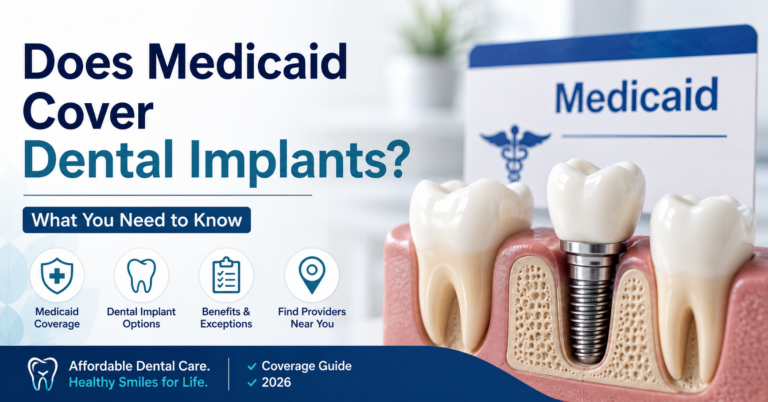
Dental implants are titanium posts surgically placed into the jawbone to replace missing tooth roots. They act as anchors for replacement teeth that look and function like natural ones.
According to the American Dental Association, dental implants have a success rate of approximately 95% and can last 25 years or longer with proper care. This makes them one of the most durable tooth replacement options available today.
If you’re considering implants, you need to know what affects their lifespan and how to protect your investment. This guide covers everything from expected durability to daily maintenance that keeps your implants healthy for decades. You’ll learn what factors influence longevity, warning signs of problems, and how to choose the right dentist new castle pa for your procedure.
What Is the Average Lifespan of Dental Implants?
Most dental implants last 25 years or more when properly maintained. The titanium post itself can last a lifetime, while the crown typically needs replacement every 10 to 15 years due to normal wear.
The implant has two main parts. The titanium post fuses with your jawbone through a process called osseointegration. This usually takes three to six months and creates a permanent foundation.
The crown sits on top and handles chewing forces daily. While durable, crowns experience wear like natural teeth. Porcelain and zirconia crowns last longer than other materials.
Studies show that implant posts have a 20-year survival rate above 90%. That’s better than bridges or dentures, which need replacement every 5 to 10 years.
What Factors Affect How Long Dental Implants Last?
Several factors determine whether your implants reach their full lifespan or fail early. Understanding these helps you maximize durability.
Oral Hygiene Practices
Daily brushing and flossing directly impact implant longevity. Bacteria buildup causes peri-implantitis, an infection that destroys the bone supporting your implant.
You should brush twice daily and floss around implants just like natural teeth. Use a soft-bristle brush to avoid scratching the crown surface.
Regular dental cleaning services remove plaque and tartar you can’t reach at home. Most patients need cleanings every six months, though some require more frequent visits.
Bone Quality and Quantity
Adequate jawbone density ensures proper implant stability. Patients who’ve had missing teeth for years often experience bone loss that weakens the foundation.
Bone grafting can rebuild lost bone before implant placement. This adds time to the process but significantly improves success rates.
Lifestyle Habits
Smoking reduces blood flow to gums and bone, slowing healing and increasing failure risk. Smokers have implant failure rates up to three times higher than non-smokers.
Grinding or clenching teeth places excessive force on implants. A custom night guard protects both implants and natural teeth from damage.
Implant Placement Quality
Surgical skill matters significantly. An experienced dental implant dentist places implants at the correct angle and depth for optimal bone contact.
Poor placement causes uneven pressure distribution. This leads to bone loss and eventual implant failure.
| Factor | Impact on Lifespan | How to Optimize |
| Oral Hygiene | High | Brush twice daily, floss daily, professional cleanings |
| Smoking | Very High | Quit smoking before and after surgery |
| Bone Density | High | Bone grafting if needed, adequate healing time |
| Dentist Experience | High | Choose board-certified implant specialists |
| Crown Material | Medium | Select zirconia or high-quality porcelain |
How Do Different Types of Dental Implants Compare in Longevity?
Single implants and full mouth dental implants have similar lifespan potential. The key difference lies in maintenance complexity and component replacement needs.
Single tooth implants replace one missing tooth. They’re easier to clean and have fewer points of failure. Success rates exceed 95% at 10 years.
All on four dental implants support an entire arch using just four posts. This approach works well for patients with significant bone loss. The denture attachment may need adjustment or replacement before the implants themselves fail.
Full mouth dental implants provide maximum stability but require meticulous care. Each implant needs individual cleaning attention.
What Are the Warning Signs Your Dental Implant May Be Failing?
Early detection prevents complete implant loss. Watch for these symptoms and contact your dentist immediately if they occur.
- Persistent pain or discomfort around the implant site
- Swollen, red, or bleeding gums near the implant
- Implant feels loose or moves when you touch it
- Difficulty chewing or discomfort when biting
- Pus or discharge around the implant area
- Receding gums exposing the metal post
Pain shouldn’t persist beyond the initial healing period. Normal healing takes a few weeks, but ongoing discomfort signals a problem.
Implant mobility indicates loss of bone integration. This requires immediate professional evaluation.
How Can You Extend the Life of Your Dental Implants?
Simple daily habits make the difference between implants that last 15 years versus those that last a lifetime. Start with these practices.
Daily Care Routine
Brush implant crowns using gentle circular motions. Don’t scrub aggressively, as this can damage the restoration.
Floss at least once daily using unwaxed tape or implant-specific floss. Slide it gently beneath the gumline to remove trapped food particles.
Water flossers work well for implants. They flush bacteria from hard-to-reach areas without mechanical abrasion.
Professional Maintenance
Visit your dental implants dentist every six months for checkups. They’ll assess bone levels and check for early signs of complications.
Professional cleanings remove calculus that home care misses. Hygienists use special tools that won’t scratch implant surfaces.
Dietary Considerations
Avoid chewing ice or hard candies that can crack crowns. While implants handle normal chewing forces, extreme pressure causes damage.
Limit acidic foods and beverages that erode crown materials over time. Rinse with water after consuming coffee, wine, or citrus fruits.
Are Dental Implants Worth the Investment Given Their Lifespan?
Dental implants cost more upfront than bridges or dentures. But their longevity makes them more economical long-term.
A single implant ranges from $3,000 to $4,500 in most areas. That seems expensive until you compare it to replacing bridges every decade.
Affordable dental implants options exist through dental schools and financing plans. Many practices offer payment programs that spread costs over time.
The health benefits extend beyond teeth. Implants preserve jawbone that deteriorates when teeth are missing. This maintains facial structure and prevents the sunken appearance common with dentures.
When you choose dental implants new castle, you’re investing in a solution that can truly last your lifetime. The initial cost pays dividends in functionality, appearance, and oral health for decades.
Frequently Asked Questions
Can dental implants last 30 years or more?
Yes, dental implants can last 30 years or longer with excellent oral hygiene and regular dental care. The titanium post often lasts a lifetime, though the crown may need replacement after 15 to 20 years.
Do dental implants need special care compared to natural teeth?
Dental implants require similar care to natural teeth. Brush twice daily, floss daily, and get professional cleanings every six months. Avoid extremely hard foods and wear a night guard if you grind your teeth.
What is the most common reason dental implants fail?
Peri-implantitis, an infection caused by poor oral hygiene, is the leading cause of implant failure. Smoking and inadequate bone density also contribute significantly to failure rates.
How often do dental implant crowns need replacement?
Most implant crowns last 10 to 15 years before needing replacement. High-quality materials like zirconia may last longer, while excessive grinding or poor care shortens crown lifespan.
Are full mouth dental implants as durable as single implants?
Full mouth dental implants have comparable durability to single implants when properly maintained. The implant posts last just as long, though the prosthetic attachment may require adjustment or replacement over time.
Does age affect how long dental implants last?
Age alone doesn’t determine implant lifespan. Older adults with good bone density and health can expect the same longevity as younger patients. Overall health and oral hygiene matter more than age.
What happens if a dental implant fails after 10 years?
Failed implants are removed and the area is allowed to heal. Most patients can receive a new implant once the bone regenerates, often with bone grafting to rebuild lost density.